Tax Debt Can Impact Your Credit Score
A Heads-up from IRD
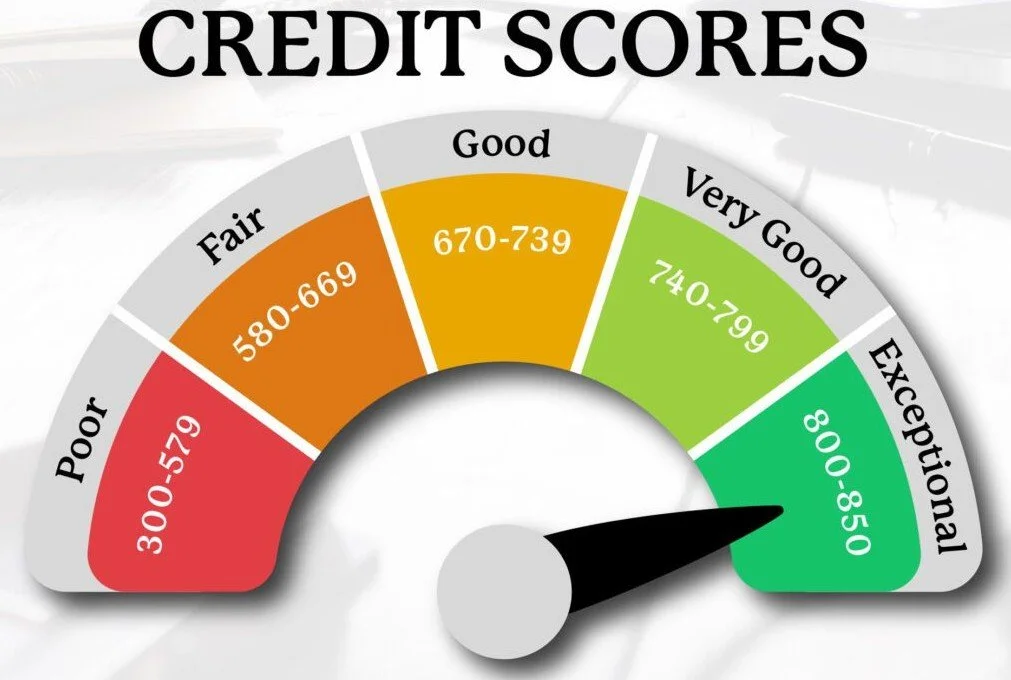
Credit reporting was introduced by Inland Revenue (IR) in 2017 to encourage tax compliance and improve the visibility of significant tax debt. This means an unpaid tax bill could affect your company's credit rating.
The goal behind this move is to give other businesses a clearer picture when they're making lending or credit decisions, putting tax debt on a similar footing to other commercial debts. But don't panic – this doesn't apply to everyone. There are very specific rules and a clear process IR must follow before any information is shared.
Here’s a simple breakdown of what you need to know.
Will My Business Be Affected?
This new rule is designed for serious cases of non-compliance and only applies if a business meets all of the following criteria:
It's a Company: Currently, this policy only applies to companies, not to individuals or sole traders.
The Debt is Significant: Your company's debt must meet one of these two thresholds:
The total debt is $150,000 or more; OR
The debt has been overdue for more than one year AND equals 30% or more of your company's annual income.
It's Not Being Dealt With: This is a key point. Your debt will not be reported if:
It's part of a formal dispute with IR.
You have an agreed instalment plan in place.
You have a pending application for financial relief.
The types of tax covered include GST, Income Tax, and PAYE-related deductions (like KiwiSaver and student loan payments).
What's the Process?
IR won't suddenly report your debt without warning. They must follow a strict process first.
Reasonable Efforts to Collect: Before anything else, IR must show they've made genuine attempts to contact you and resolve the debt. This usually involves phone calls and discussions with you or us (your accountant) to explore options like payment plans or other solutions.
Formal "Notice of Intent": If the debt remains unresolved, IR will issue a formal written notice. This notice will state their intention to report the debt to a credit agency (currently, this is Centrix).
A 30-Day Window to Act: From the day you receive the notice, you have 30 days to sort out the debt. This is your chance to prevent the information from being shared.
What Should I Do If I Get a Notice?
The most important thing is not to ignore it. If a notice from IR arrives, please get in touch with us immediately.
You have a few clear options to prevent your credit score from being affected:
Pay the debt in full.
Enter into a formal instalment arrangement with IR.
Apply for financial relief if your business is facing serious hardship.
We can help you assess the best path forward and communicate with IR on your behalf.
Our Advice
The best strategy is always to stay on top of your tax obligations. We know that cash flow can be challenging for businesses, and tax debt can sometimes build up unexpectedly.
If you are worried about your current tax position or foresee any issues paying an upcoming bill, please talk to us early. We can work with you to create a plan and engage with IR proactively, ensuring you stay on the right side of these rules.